

Supreme Court Leaves No Clear Way For Consumers To Get Tariff Refunds
Most of the taxes President Donald Trump imposed on imported goods last year are illegal, the Supreme Court ruled on Friday, but it seems unlikely American consumers will get their money back.
The tariffs Trump imposed under the International Emergency Economic Powers Act raised more than $160 billion in revenue for the federal government. It’s not clear what will happen to that money — the Supreme Court ruling doesn’t say. Multiple companies had sued to demand refunds even before the high court’s ruling, and the administration has previously indicated it would issue refunds if the tariffs were struck down.
Advertisement
But Trump said Friday the refund question will become a matter of litigation and complained that the court didn’t say what to do.
“Wouldn’t you think they would have put one sentence in there saying to keep the money or don’t keep the money? I guess it has to get litigated for the next two years,” Trump told reporters in the White House briefing room.
Corporations that imported items paid the tariffs, but likely recouped a portion of the cost by charging higher prices for their products. Businesses with records of their import and tax payments will have documentation to pursue a refund. But it’s hard to see how consumers, who were nickel-and-dimed on individual purchases, could get their money back.
Advertisement
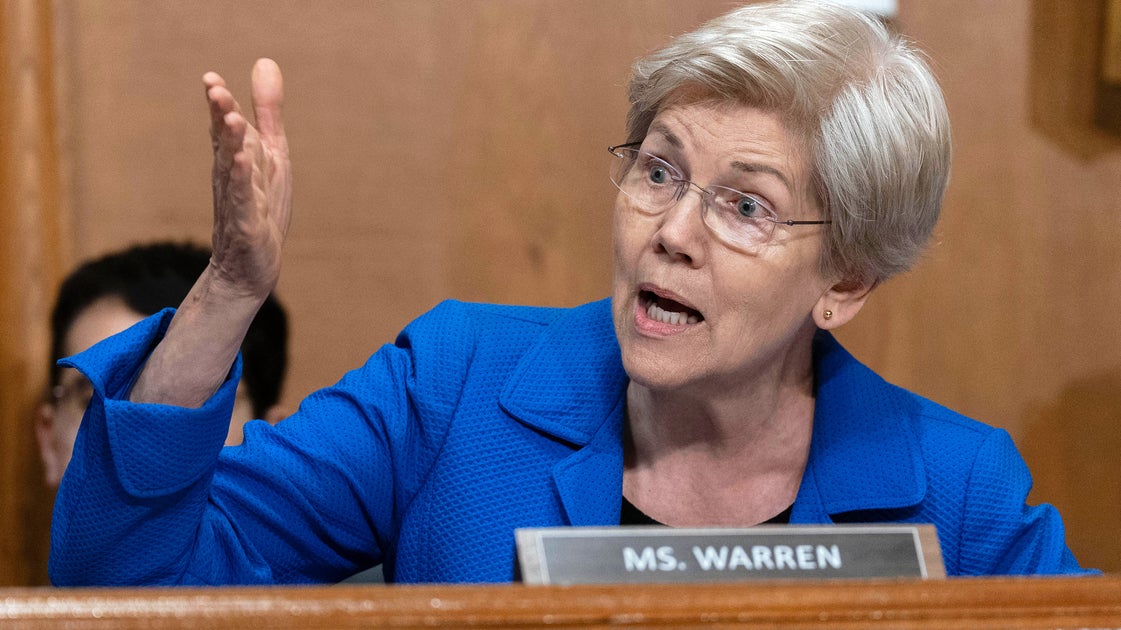
Sen. Elizabeth Warren (D-Mass.) said in a statement that “giant corporations with their armies of lawyers and lobbyists can sue for tariff refunds” and keep the money they recoup.
“It’s one more example of how the game is rigged,” Warren said. “Any refunds from the federal government should end up in the pockets of the millions of Americans and small businesses that were illegally cheated out of their hard-earned money by Donald Trump.”
In a dissent from the majority opinion, Supreme Court Justice Brett Kavanaugh suggested the complexity of the refund question was a reason not to throw out the tariffs in the first place.
Advertisement
“The Court says nothing today about whether, and if so how, the Government should go about returning the billions of dollars that it has collected from importers,” Kavanaugh wrote. “But that process is likely to be a ‘mess,’ as was acknowledged at oral argument.”
Trump on Friday said he would try to replace the stricken tariffs with new levies under a different federal statute. As both Kavanaugh and the majority said in their opinion, there are plenty of other statutes that give the president power to impose tariffs, albeit in a more limited fashion than Trump has pursued.
Since last year, Trump has repeatedly suggested he would send American households tariff rebate checks, essentially acknowledging the tariffs were a burden on consumers. In the White House in November, Trump described the potential payments as “dividends” and said he’d send them out sometime this year.
Advertisement
“Thousands of dollars for individuals of moderate income, middle income,” Trump said, seemingly envisioning a process that would bypass Congress, since Republicans hate the idea.
On Friday, the president suggested refunds wouldn’t be coming out anytime soon.
“We’ll end up being in court for the next five years,” Trump said.
