

Iran-US conflict newest: ‘Entire nation is being humiliated’ by Tehran says German chancellor in swipe at Trump
German chancellor Friedrich Merz has said the US is being “humiliated” by Iran in a blistering criticism of the Trump administration.
“An entire nation is being humiliated by the Iranian leadership, especially by these so-called Revolutionary Guards,” Mr Merz said said, warning that he does not see what exit strategy the US has for the war.
He said the Iranians are “obviously negotiating very skillfully” and “clearly stronger than one thought”.
Efforts by Pakistani mediators to reach a peace agreement between Washington and Tehran have so far failed, with the two sides unable to address issues regarding the Strait of Hormuz and Iran’s nuclear programme.
According to a report in Axios, Iran has offered to reopen the Strait of Hormuz in a new peace proposal to the US which would see nuclear negotiations postponed for a later stages.
The Trump administration is yet to respond to the proposal, with officials expected to discuss next steps on Monday in a Situation Room meeting with the President.
Meanwhile, Tehran’s foreign minister Abbas Araghchi has arrived in Russia where he is set to discuss the Middle East situation with Vladimir Putin, according to Iran’s IRNA news agency.
Strait of Hormuz activity remains muted as seven ships cross
At least seven ships – mainly dry bulk vessels – crossed the Strait of Hormuz in the past 24 hours, in line with muted activity in recent days, shipping data showed on Monday.
It comes as talks between Iran and the United States continue to stall, despite one report in Axios suggesting Iran is prepared to reopen the waterway.
The vessels included ships leaving from Iraqi ports and one dry bulk vessel from an Iranian port, according to ship tracking data from Kpler and separate satellite analysis from data analytics specialists SynMax.
Shipping traffic passing through the crucial waterway at the entrance to the Gulf during an uneasy ceasefire between Washington and Tehran represents a fraction of the average 140 daily passages before the Iran war began on February 28.
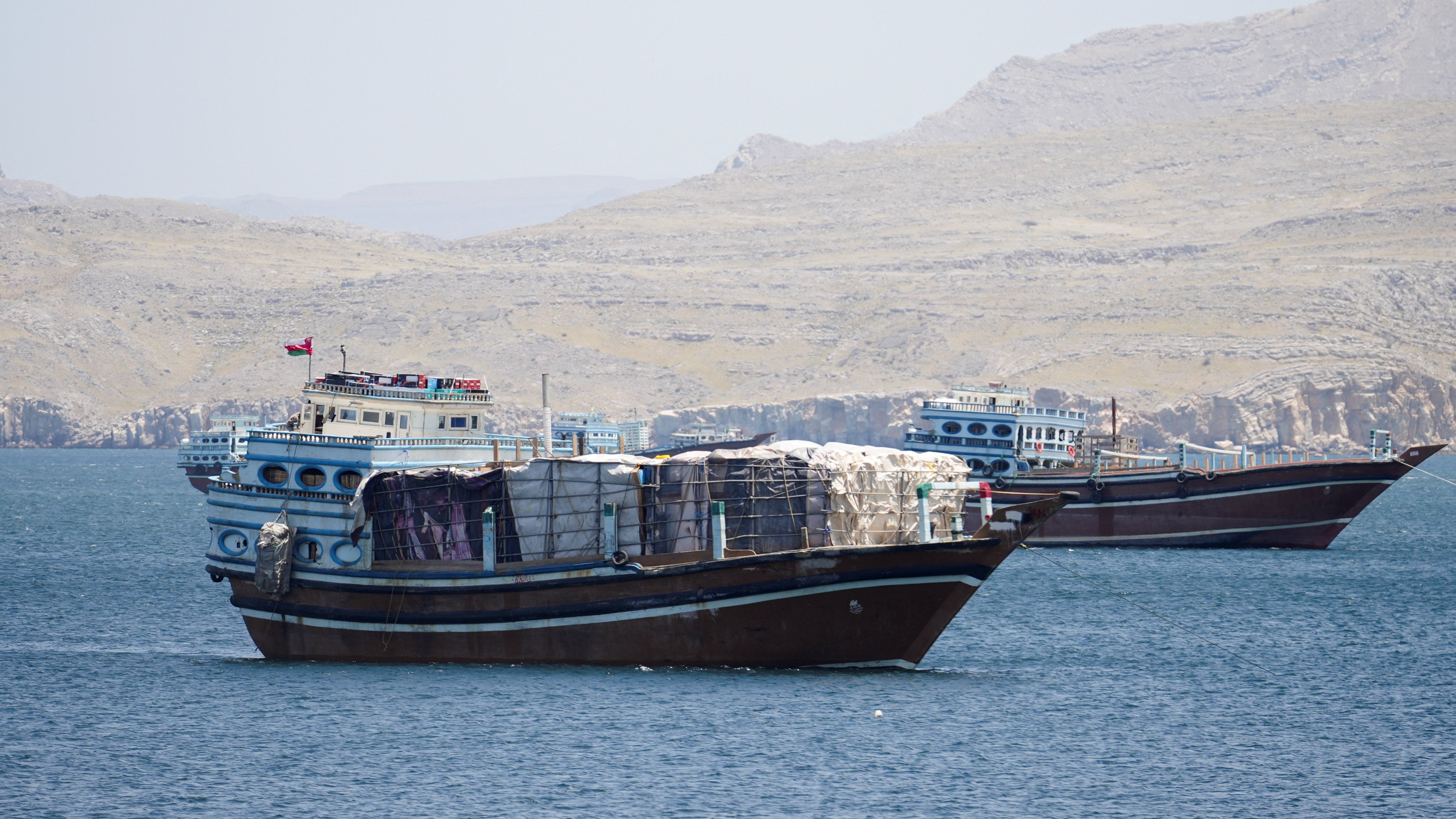
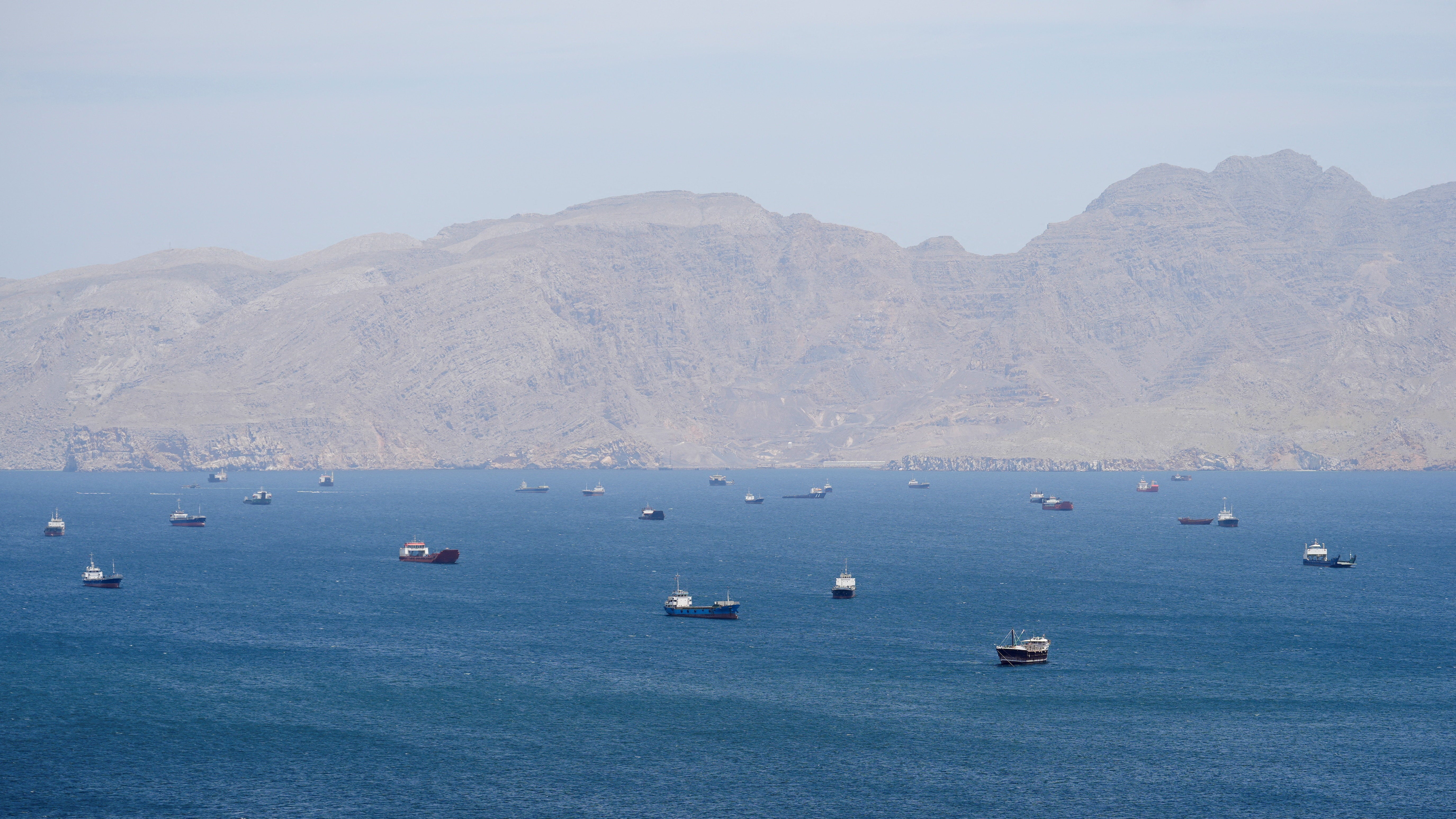
In pictures: Vessels sit in the Strait of Hormuz near Oman
US is being ‘humiliated by Iranian leadership’, says Merz
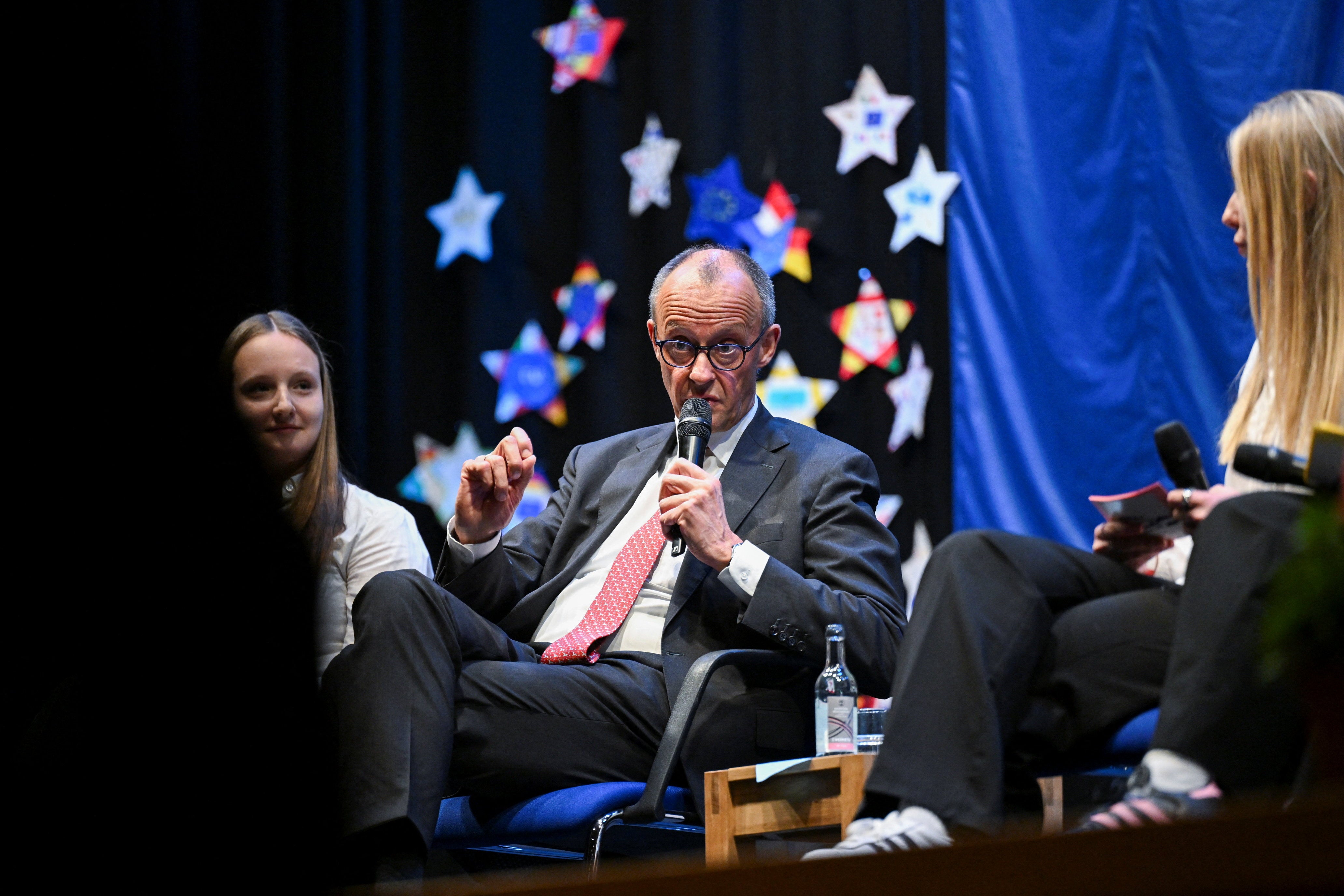
We’re hearing from German chancellor Friedrich Merz, who has been scathing in his criticism of the US approach to its war in Iran.
“An entire nation is being humiliated by the Iranian leadership, especially by these so-called Revolutionary Guards,” he said, adding that he does not see what exit strategy the US has for the war.
Speaking to students in Marsberg, in North Rhine-Westphalia, Mr Merz said the Iranians are “obviously negotiating very skillfully” and “clearly stronger than one thought”.
He urged that the conflict be ended as quickly as possible due to its direct impact on Germany’s economy.
Russia next on Araghchi’s diplomatic tour as he says US may not be serious about peace
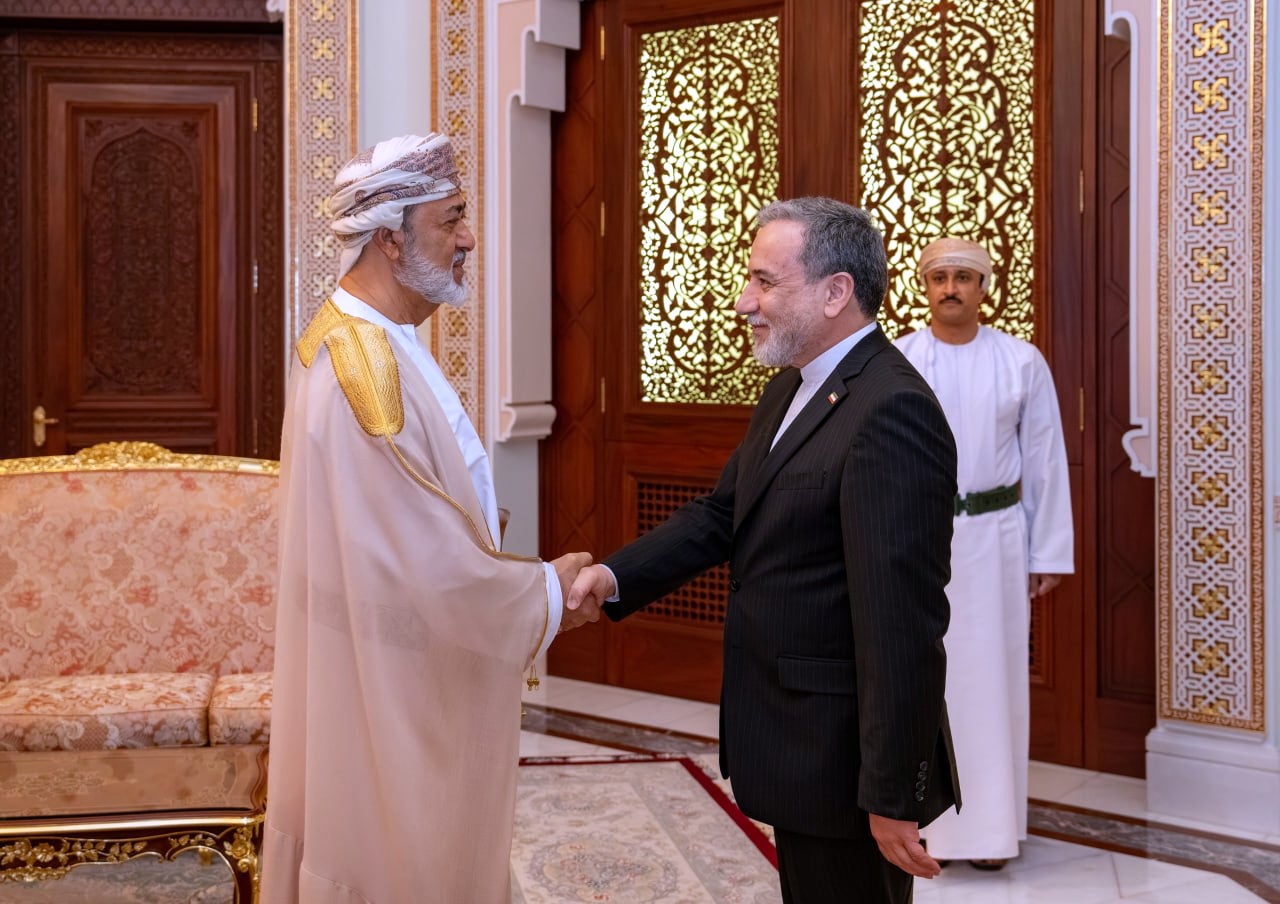
As we’ve been reporting, Iranian foreign minister Abbas Araghchi is in St Petersburg where he is due to meet Vladimir Putin.
He had previously been meeting with mediators from Oman and Pakistan as Tehran looks to push forward a peace deal.
On Saturday, Araghchi said the talks were “fruitful”, but that Iran is “yet to see” whether the US is serious about peace.
“Very fruitful visit to Pakistan, whose good offices and brotherly efforts to bring back peace to our region we very much value,” he wrote in a post on X on Saturday.
“Shared Iran’s position concerning workable framework to permanently end the war on Iran. Have yet to see if the US is truly serious about diplomacy.”
On Sunday, Omani foreign minister Badr Albusaidi said he held a “good discussion” with Araghchi.
The pair talked about “shared responsibility to the international community and the urgent humanitarian need to free the seafarers held for far too long”, he said.
Starmer to hold emergency Cobra meeting on Iran war economic crisis
Our political correspondent Athena Stavrou reports:
Sir Keir Starmer will chair another Cobra meeting this week to discuss the ongoing economic impact of the Iran war, which he warned could continue “for some time”.
The prime minister will convene the emergency committee with representatives from the Bank of England to discuss the war’s economic consequences in the shadow of rising oil prices.
The meeting comes as oil prices hit a near three-week high on Monday, as the Strait of Hormuz remains blockaded as peace talks between the US and Iran stall.
Speaking in Lancashire on Monday, the prime minister said he had called the meeting on Tuesday “so you can be sure we will stand by working people in this crisis”.
However, he told the Usdaw union’s conference: “I have to level with you about Iran.
“The truth is the economic consequences could still be with us for some time. You don’t need to be a politician to know that, you can see it on every petrol forecourt across the country.”
Price hikes due to Iran war will be felt for at least eight months after conflict ends, UK minister warns
Our political correspondent Millie Cooke reports:
Price hikes as a result of the Iran war will be felt for at least eight months after the conflict ends, a government minister has warned.
The chief secretary to the prime minister, Darren Jones, warned people will see higher energy, food and flight prices “as a consequence of what Donald Trump has done in the Middle East” and said there will be a “long tail from this”.
He told the BBC that consumers are more likely to see prices go up rather than gaps on supermarket shelves as a consequence of the conflict.
“Quite frankly, that’s probably going to come online, not just in the next few weeks, but the next few months. There’s going to be a long tail from this”, he said.
Pressed on how long people will see economic disruption, Mr Jones said: “I think our best guess is eight-plus months from the point of resolution that you’ll see economic impacts coming through the system.”
Too early to drop sanctions on Iran, says von der Leyen
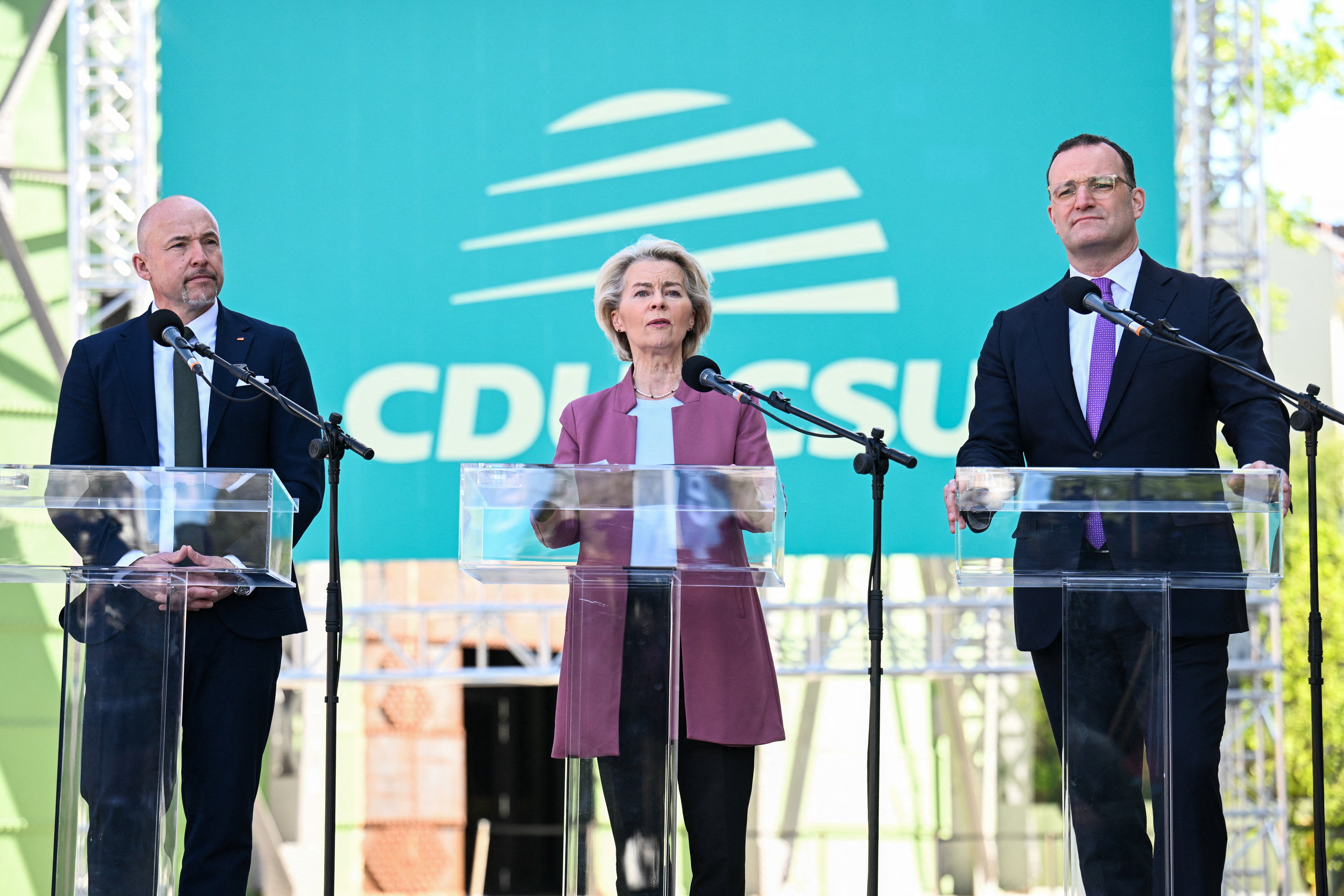
We’ve just heard from the president of the European Commission, Ursula von der Leyen, who has been discussing EU sanctions on Iran.
“We think the dropping of sanctions would be too early,” she tells a meeting of the German conservative CDU and its CSU Bavarian sister party in Berlin.
Ms von der Leyen adds that the sanctions were in place due to Iran’s suppression of its own population.
“We first have to see a change, a fundamental change in Iran for the dropping of sanctions,” she said.
Starmer to hold emergency talks with Bank of England on Iran impact
UK prime minister Sir Keir Starmer will hold talks with representatives form the Bank of England to discuss the impact of the war in Iran.
Representatives from the bank will join a meeting of the government’s emergency response committee on Tuesday, Sir Keir said.
“Tomorrow I’m chairing a meeting of Cobra on the impact (of the war), bringing in people from the Bank of England, so that you can be sure we will stand by working people in this crisis,” Sir Keir said on Monday in a speech to trade union members.

Iran bans steel exports after industry targeted in US-Israeli attacks
Iran has banned the export of steel slabs and sheets until May 30, state media reported on Monday.
The country’s steel industry has been targeted in strikes carried out by the US and Israel until a temporary ceasefire came into place earlier this month.
Etemad newspaper reported that the country’s steel industry lost around 10 million tons of annual production capacity during the attacks, amounting to around 25 to 30 per cent of the country’s total steel production capacity.
Source: independent.co.uk
