

Energy Secretary Warns There’s ‘No Guarantees’ Trump Will Lower Gas Prices Soon
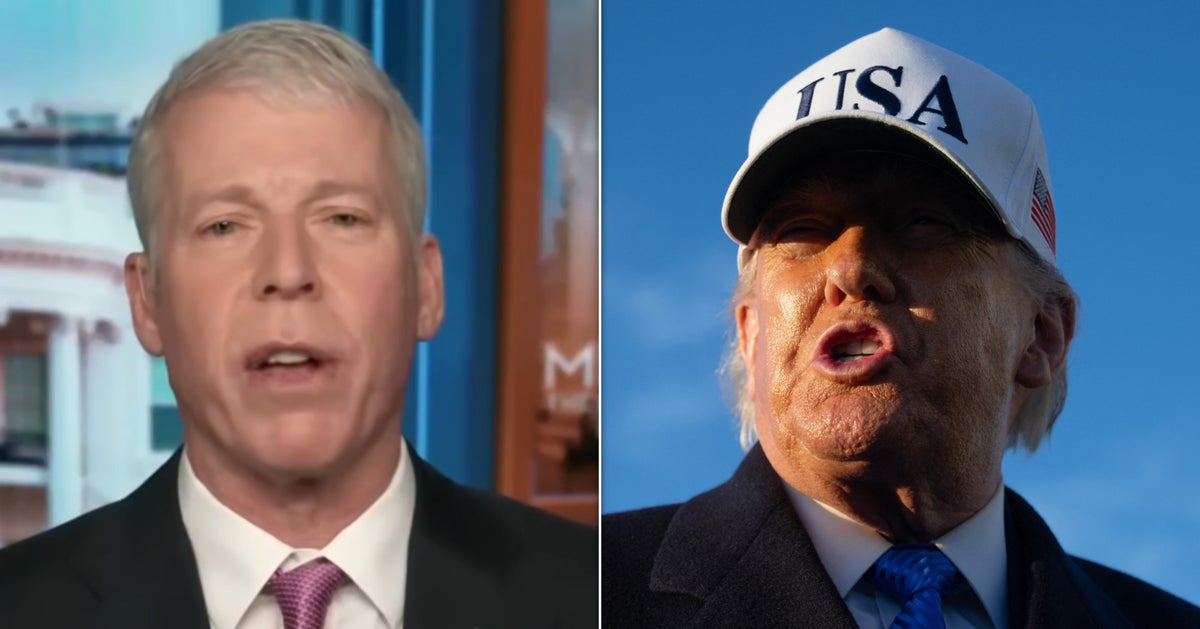
Energy Secretary Chris Wright says that rising gas prices amid the U.S. conflict with Iran is just a “short-term disruption to the flow of energy” ― but stressed that there aren’t any guarantees Americans will stop feeling it in their pockets anytime soon.
Wright made the comments after moderator Kristen Welker mentioned to him that gas prices are “top of mind for Americans” right now Sunday on NBC’s “Meet the Press.”
Advertisement
“Since the war began, the national average price for gasoline is up 24%, and diesel prices have jumped 32%. Mr. Secretary, when can Americans expect to see the price of gas come down?” she questioned.
“After the conflict is over,” he responded.
“You’ll start to see prices come back down. But Iran immediately imped[ing] flow through the Strait of Hormuz and launching attacks at all of their neighbors, even those completely uninvolved in this conflict, just illustrates why it’s so important to defang this regime. It’s been the greatest supporter of terrorism in the world,” he continued.
The Trump administration has given mixed messages on Iran, but on Friday, while speaking with Fox News host Brian Kilmeade on his podcast “The Brian Kilmeade Show,” Trump said the U.S. military operation will come to an end when he can “feel it in my bones.”
Advertisement
Claiming that the “greatest killer of American soldiers over the last 20 years has been Iran” and “we haven’t fought a conflict against them until this,” Wright told Welker, “It’s just this president did not want to kick this can down the road to the next administration.”
Declaring that “the world simply can’t see a nuclear-armed Iran” and that he’s “proud” of President Donald Trump’s actions, he said, “But yes, it is a short-term disruption to the flow of energy. Americans are feeling it right now. Americans will feel it for a few more weeks. But at the end, we will have removed the greatest risk to global energy supplies.”
“We’ll go to a world more abundant in energy, more affordable in energy, and less risky for American soldiers and commerce in the Middle East.”
Advertisement
Pressing Wright over whether he was suggesting the war could “be over in a few more weeks,” the government official claimed it is a “likely timeframe.”
“I think the president came out early on saying he expected the need for four to six weeks to completely defang Iran’s military capabilities … So [far] their navy has been destroyed. Their air force has been destroyed. Their long-range missiles have been destroyed. Their ability to construct and build long-term missiles has been destroyed. And the effort continues now on more of their short-term threats, short-range missiles, drones.”
Advertisement
Welker went on to ask Wright about a recent Truth Social post the president made, in which he wrote, “The United States is the largest oil producer in the world by far. So when oil prices go up, we make a lot of money.”
“But Mr. Secretary, previously the president had argued that consumers benefit from lower oil prices. So which is it? Which is better for Americans — lower oil prices or higher oil prices?” she asked.
“Oh, in general, lower oil prices. This president has been committed to low gasoline prices, low diesel prices, low travel prices,” he said. “Because 100% of Americans are affected by that. … It does bring a lot of money into the U.S. economy. It doesn’t have the same impact on us as it does the other nations of the world when oil prices go up. But he’s all about low gas prices, low diesel prices, low energy prices.”
Advertisement
Earlier in the interview, Welker asked Wright if he’s “confident that gas will be back under $3 a gallon by the busy summer travel season.”
“There’s a very good chance that’ll be true,” Wright responded. “You know, there’s no guarantees in war. The timeframe’s still not entirely clear. But I think that’s certainly a goal of the administration and very possible.”
